Jun 26, 2026Insights & News
Most PET Felt Panel Problems Happen After Production
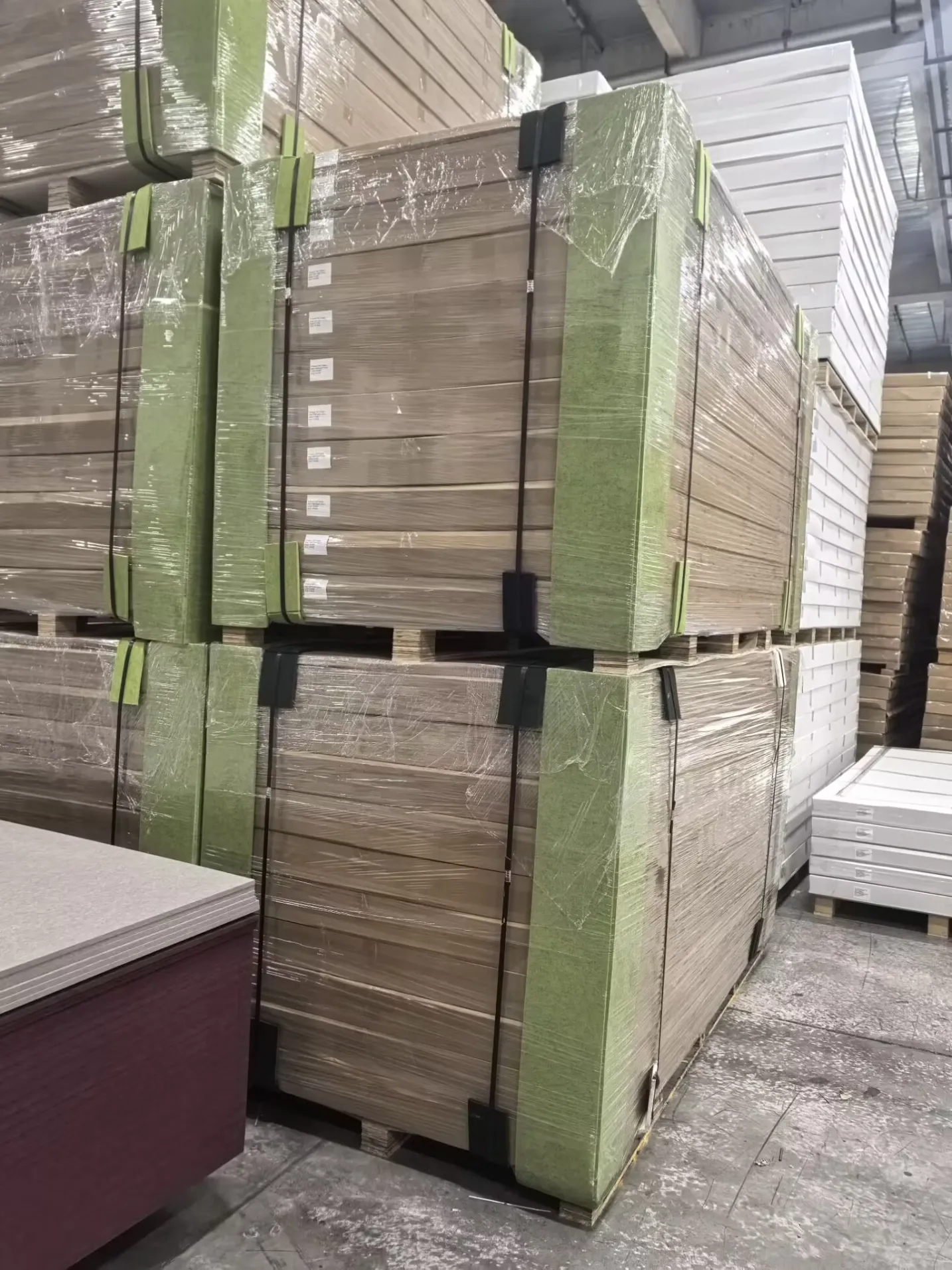
Many PET felt panel problems do not happen during manufacturing. They happen during packaging, loading, transportation, and handling after production is completed.
Most PET Felt Panel Problems Happen After Production
When discussing quality issues, most people immediately think about manufacturing.
Was the thickness correct?
Was the color correct?
Was the panel cut accurately?
These are important questions.
But after years of working with PET felt panels, we have noticed something interesting.
Many problems actually happen after production.
The panels may be produced correctly.
The inspection may be completed successfully.
Yet the customer still receives products that do not meet expectations.
Why?
Because packaging and transportation are often underestimated.
PET felt panels are relatively durable, but they are not indestructible.
Large panels can bend if they are not properly supported.
Corners can become damaged during loading and unloading.
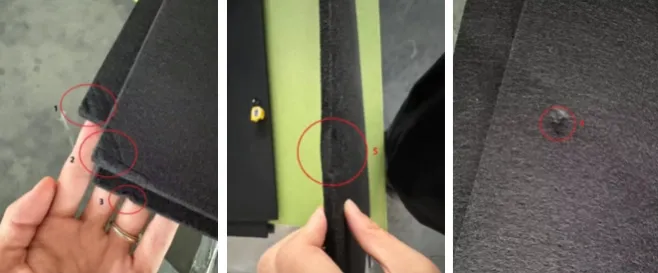
Surface pressure marks can appear when excessive weight is applied during storage or transportation.
In some cases, the products themselves are fine.
The problem is how they were packed.
For example, stacking height can make a significant difference.
If pallets are stacked too high, lower panels may experience unnecessary pressure for several weeks during transit.
Another common issue is insufficient protection around edges and corners.
The longer the transportation route, the more important packaging becomes.
This is especially true for international shipments.
A container may travel for several weeks before reaching its destination.
During that time, products experience vibration, movement, temperature changes, and repeated handling.
Good packaging is not simply about reducing damage.
It is about protecting product quality throughout the entire logistics process.
This is why packaging should be considered part of quality control.
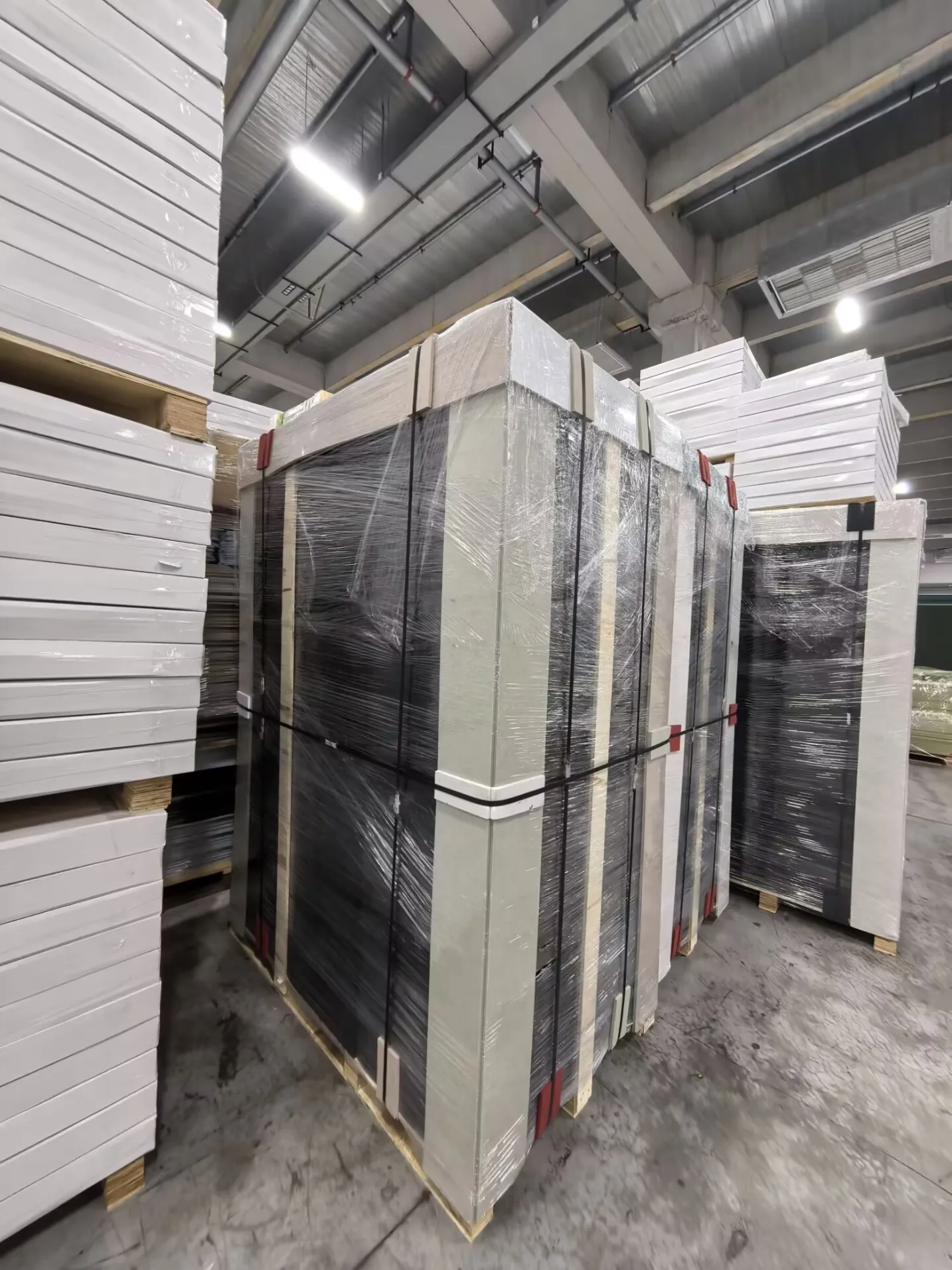
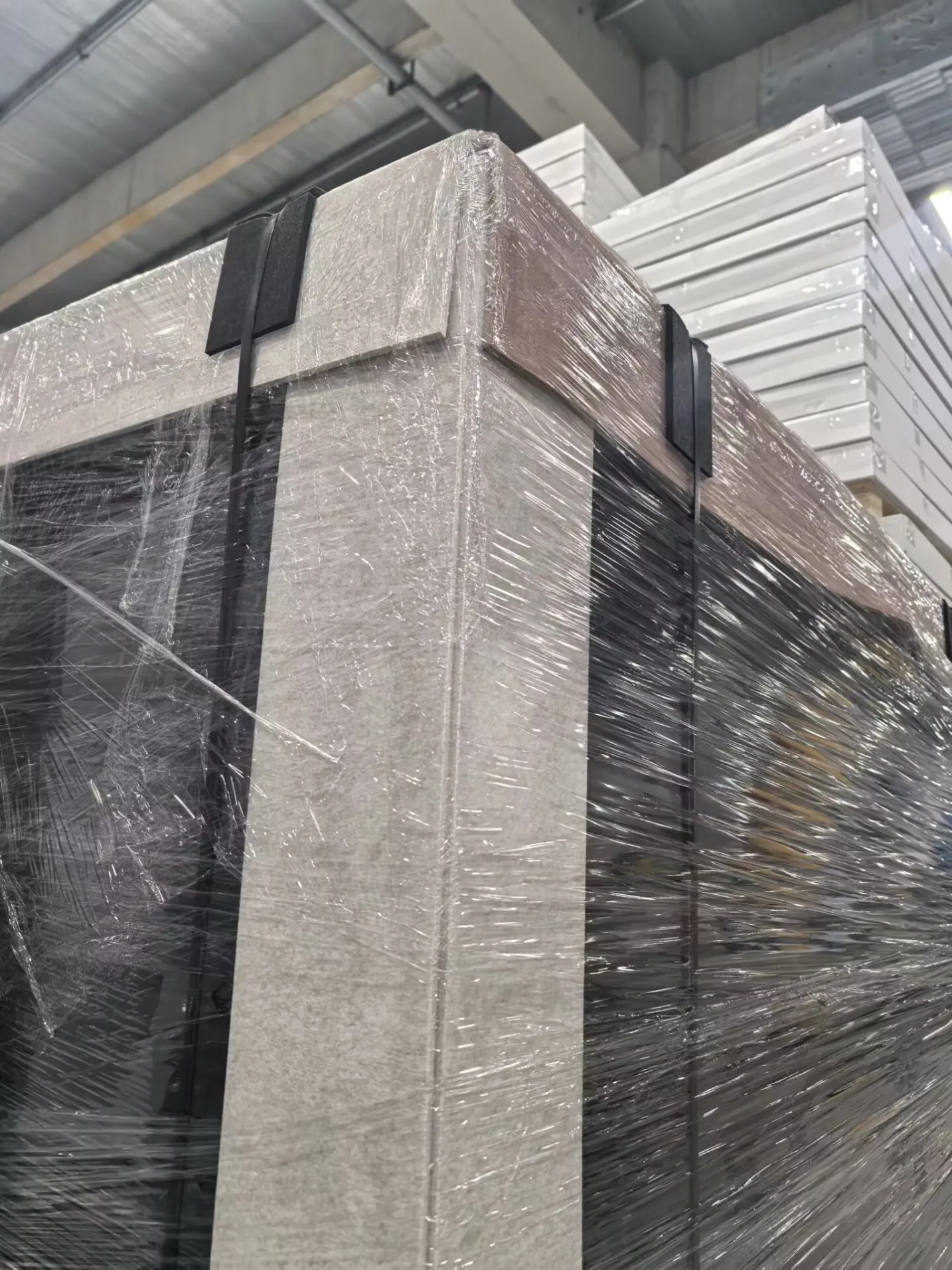
Unfortunately, many buyers only review product specifications.
Very few ask about packaging details.
Yet packaging can have just as much impact on the final result.
When evaluating a supplier, it is worth discussing:
- Pallet design
- Stacking methods
- Corner protection
- Labeling
- Container loading plans
The goal is simple.
Products should arrive in the same condition they leave the warehouse.
Quality does not end when production is finished.
In many projects, that is exactly where the next challenge begins.