Jun 26, 2026Insights & News
Why Approved Samples Still Lead to Customer Complaints
Many customer complaints happen even after samples are approved. The reason is often not the sample itself, but inconsistencies that appear during production, packaging, or shipment.
Why Approved Samples Still Lead to Customer Complaints
This happens more often than people expect.
The sample is approved.
The color looks correct.
The dimensions match the drawing.
The customer confirms production.
Everything seems fine.
Then a few weeks later, the shipment arrives and a complaint appears.
Many buyers assume that once a sample is approved, the project is safe.
Unfortunately, that is not always true.
In reality, approval of a sample is only one step in the process.
The real challenge is making sure the production follows the same standard.
One common issue is color consistency.
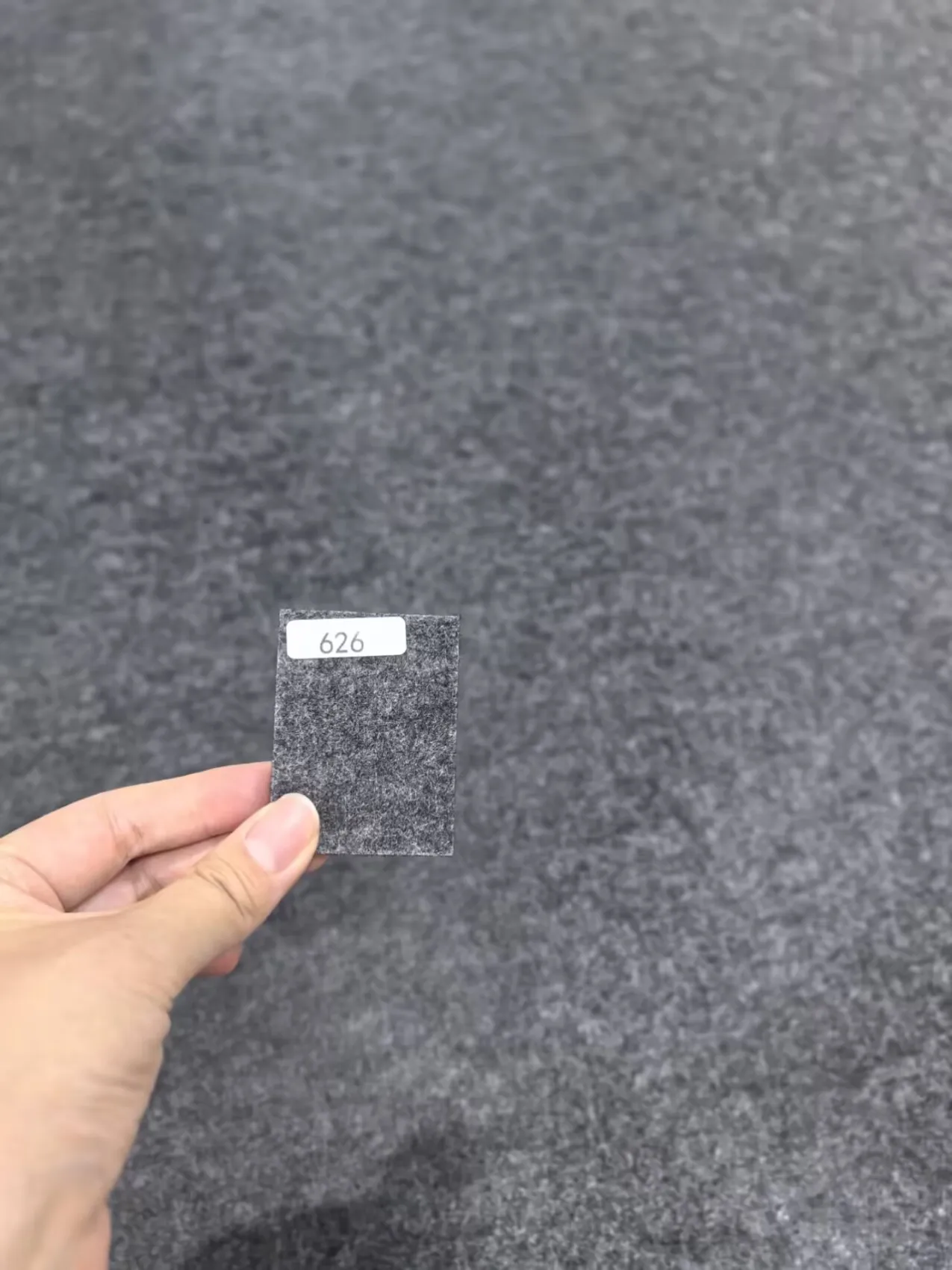
PET felt panels are manufactured from recycled polyester fibers. Even when the same color code is used, slight variations can occur between production batches if raw materials are not controlled carefully.
Another issue is density consistency.
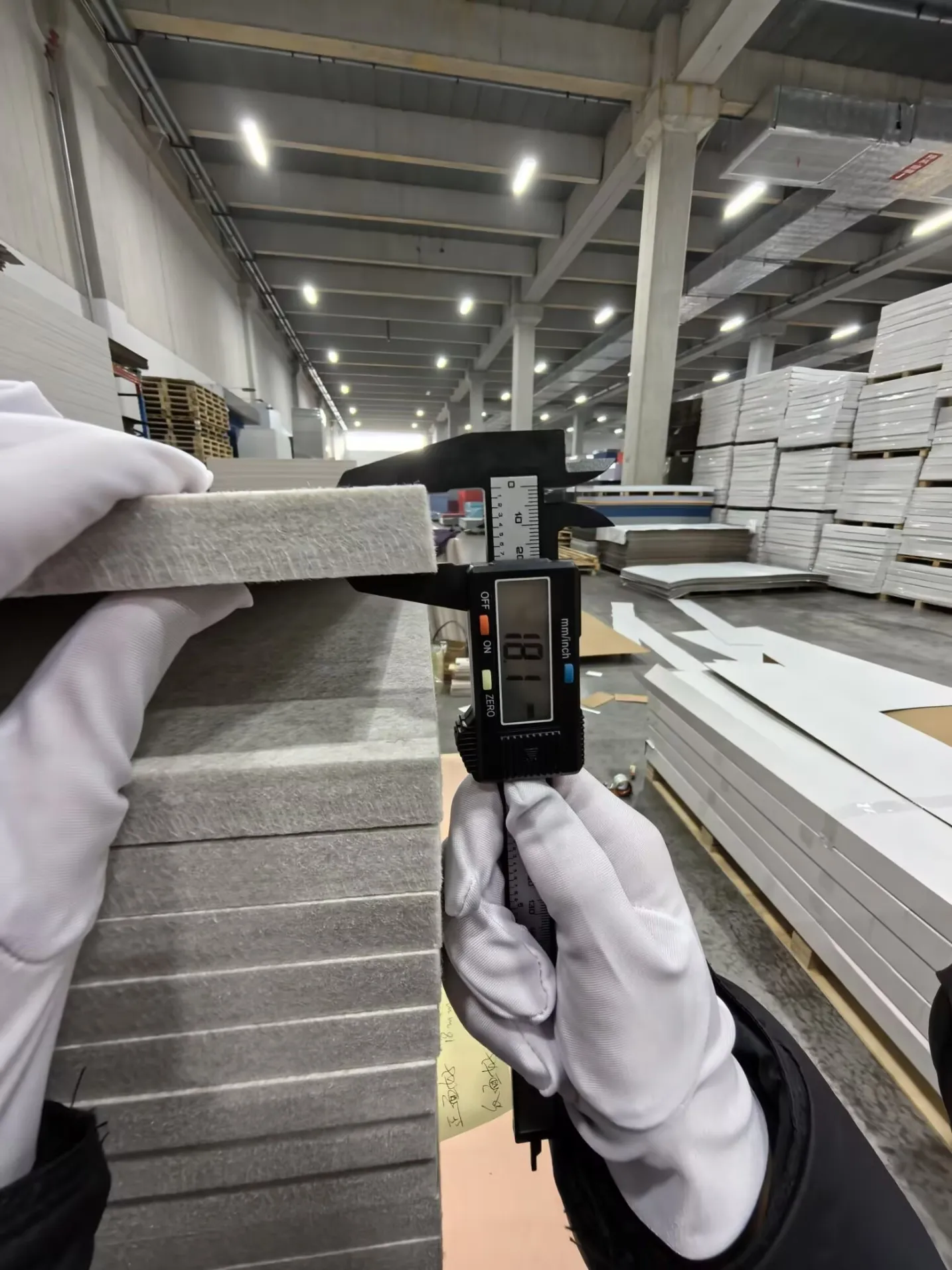
Two panels may have the same thickness, but different densities. This can affect surface appearance, cutting quality, rigidity, and even acoustic performance.
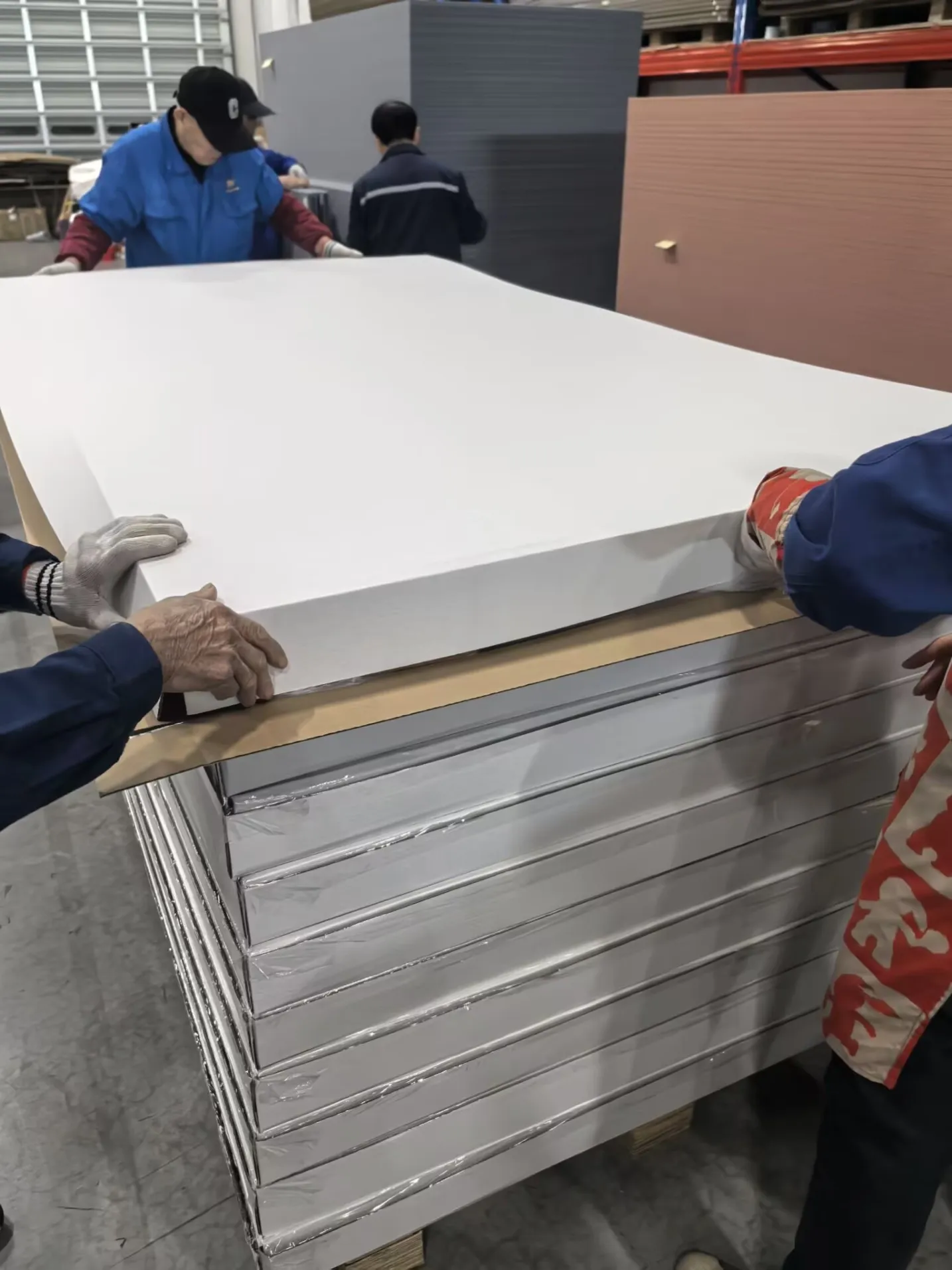
Packaging is another area where problems often appear.
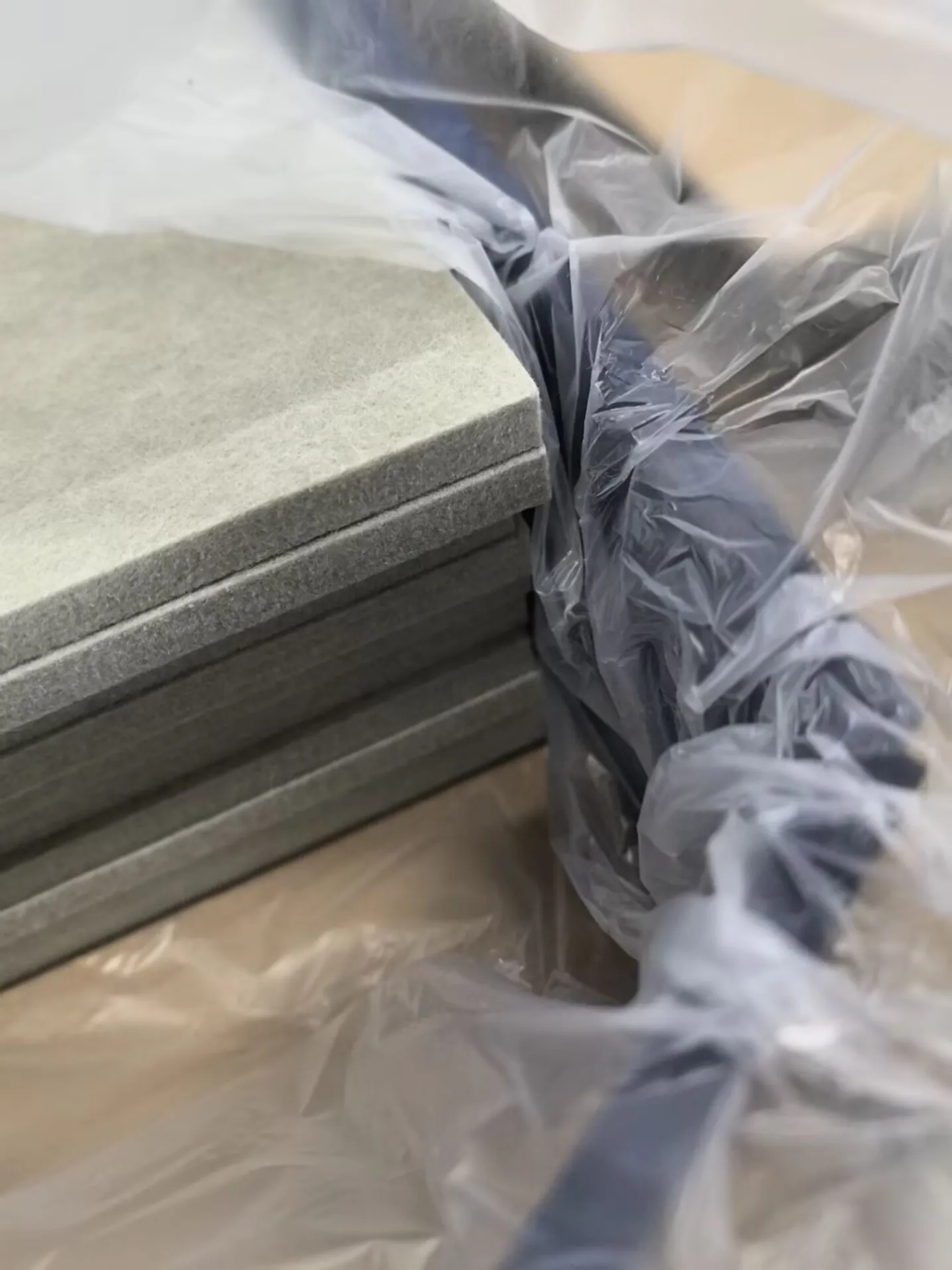
A panel may leave the factory in perfect condition but arrive with pressure marks, bent corners, or damaged edges because of pallet stacking or transportation conditions.
In some projects, customers focus heavily on the sample but pay little attention to production control and packaging requirements.
That is where risks begin.
The purpose of a sample is not simply to approve a color.
A sample should establish a reference standard for production.
The more clearly this standard is defined, the easier it becomes to maintain consistency.
For buyers, it is helpful to ask a few additional questions before production starts:
- How is color consistency controlled?
- How are panels packed?
- What dimensional tolerance is acceptable?
- Are inspections performed during production?
These questions may seem small, but they can prevent expensive problems later.
Approved samples are important.
However, successful projects depend on much more than a sample.
Consistency throughout production is what ultimately determines whether a customer is satisfied with the final shipment.